

The Hidden Challenges of Being an Educator Today, and Why They Deserve Our Deepest Respect
Let's be real for a minute. Teaching has never been easy, but what educators are dealing with right now? It's on another level entirely.
If you think teaching is just about standing in front of a classroom for seven hours and getting summers off, you're missing about 90% of the story. Today's educators are navigating challenges that would break most of us, and they're doing it with a level of dedication that honestly puts the rest of us to shame.
The Perfect Storm Hitting Our Schools
We're in the middle of an education crisis that most people don't even realize is happening. Right now, over 400,000 classrooms across America are either completely empty or being "taught" by people who don't meet basic certification requirements. That's not a typo, nearly half a million classrooms.
Think about what that means for a second. Kids are sitting in classrooms with substitutes who might not know the subject material, or worse, packed into overcrowded rooms because there's literally no one else to teach them.
The teacher shortage isn't just about numbers, either. We're especially hurting in areas like special education, where kids with disabilities aren't getting the support they're legally entitled to because there's simply no one qualified available to provide it.
The Invisible 60-Hour Work Week
Here's what most people don't see: teaching doesn't end when the final bell rings. Not even close.
For every hour a teacher spends in front of students, they're spending at least two more hours planning lessons, grading papers, responding to parent emails, attending meetings, and creating materials. That "part-time" job with summers off? It's actually a 60-hour-a-week commitment that follows them home every single night.
Teachers are expected to be everything to everyone, educator, counselor, mentor, disciplinarian, technology support, and sometimes even a source of basic necessities for kids who don't have them at home. They're making split-second decisions about learning, behavior, and safety all day long, then going home to plan how to do it all better tomorrow.
And here's the kicker: they're often paying for classroom supplies out of their own pockets because school budgets are stretched so thin. Imagine having to buy your own office supplies, computer, and desk just to do your job properly. That's the reality for most teachers.
The Money Problem No One Talks About
Let's talk dollars and cents. The average teacher salary in many states barely covers basic living expenses, let alone student loans from the education degree they needed to get the job in the first place. In some areas, teachers are making around $56,000 a year, before taxes, while being expected to have a master's degree and ongoing professional development.
But it's not just about the low pay. It's about what that pay represents: a fundamental lack of respect for the profession. We pay teachers less than we pay many jobs that require far less education and have far less impact on society.

The Respect Crisis That's Breaking Hearts
Here's a stat that should make everyone uncomfortable: more than 60% of Americans say they wouldn't want their kids to become teachers. Think about that. We're basically telling an entire profession that we don't value what they do enough to want our own children doing it.
Teachers notice this. They feel it every day when parents question their expertise, when politicians blame them for systemic problems, when society treats them like glorified babysitters instead of highly trained professionals.
These are people who spent years learning not just their subject matter, but how to teach it effectively to different types of learners. They understand child development, learning disabilities, classroom management, and assessment in ways that most of us never will. Yet we constantly second-guess their professional judgment.
The New Tech Burden
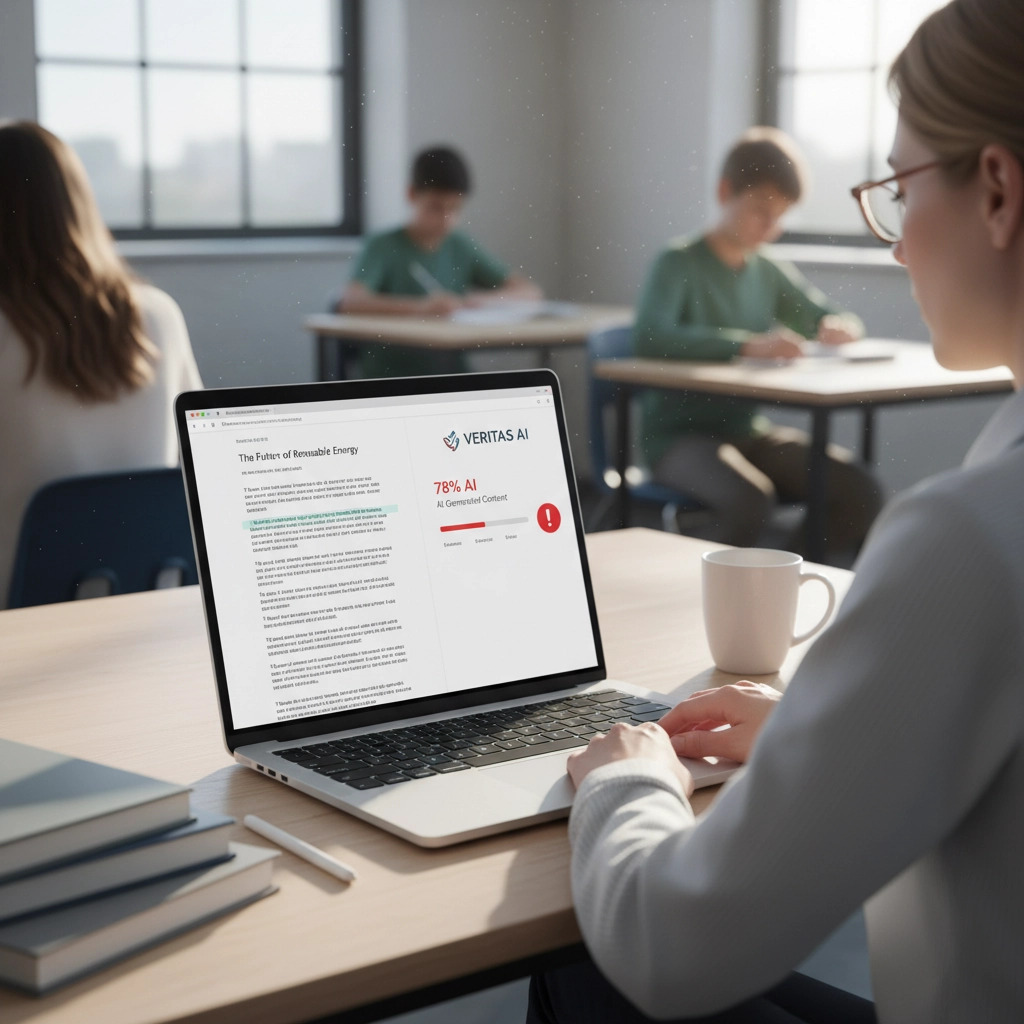
Just when you thought teachers had enough on their plates, along comes AI to add another layer of complexity. About 83% of educators say they're now spending significant time trying to figure out whether student work is authentic or generated by artificial intelligence.
Imagine having to become a detective for every assignment turned in, trying to distinguish between genuine student thinking and AI-generated content. It's like having to verify that every email you receive is actually from a human being, exhausting and time-consuming.
Technology was supposed to make teaching easier, but often it just creates new problems while the old ones remain unsolved.
Carrying the Weight of Student Struggles
Teachers aren't just dealing with academic challenges, they're on the front lines of every social issue affecting kids today. Poverty, mental health crises, family instability, food insecurity, all of this walks into the classroom every single day.
Only 28% of 8th graders are proficient in math, and teachers are expected to fix that gap while also addressing the trauma, anxiety, and depression that many of their students are carrying. They're teaching kids who are hungry, worried about violence in their neighborhoods, or dealing with family problems that would overwhelm most adults.
Chronic absenteeism has skyrocketed, meaning teachers are constantly trying to catch up kids who missed weeks of instruction while keeping the rest of the class moving forward. It's an impossible balancing act that requires the patience of a saint and the energy of a superhero.
The Burnout Numbers Don't Lie
All of this is taking a devastating toll. Nearly half of all K-12 teachers report feeling burned out "often" or "always." Not sometimes. Not occasionally. Often or always.
These are people who went into education because they wanted to make a difference, and they're being ground down by systems that seem designed to prevent them from doing exactly that. They're leaving the profession in droves, not because they stopped caring, but because they're physically and emotionally exhausted from trying to do an impossible job with inadequate support.
What Respect Actually Looks Like
Real respect for educators isn't just about Teacher Appreciation Week or thank-you cards (though those are nice). It's about:
Trusting their professional expertise. Teachers know their students and their subject matter. When they say a student needs extra support or a curriculum isn't working, believe them.
Paying them like the professionals they are. We need to stop pretending that passion for teaching should somehow compensate for inadequate wages.
Giving them the resources they need. No teacher should have to choose between buying groceries and buying classroom supplies.
Supporting their decisions. When teachers set boundaries or make professional judgments, back them up instead of undermining their authority.
Recognizing the full scope of their job. Teaching isn't just delivering curriculum: it's nurturing human beings through one of the most critical periods of their development.
Why This Matters to All of Us
Every single person reading this was shaped by a teacher. Every doctor, engineer, entrepreneur, artist, and leader started as someone's student. The teacher shortage and retention crisis isn't just an education problem: it's a societal problem that affects everyone.
When we don't respect and support our educators, we're essentially saying we don't care about our future. We're telling an entire generation that education doesn't matter, that the people dedicated to their growth and development don't deserve our support.
The challenges facing educators today are real, they're serious, and they're not going away on their own. These incredible people are holding our education system together through sheer force of will and dedication, but they can't do it forever without our support.
They deserve our deepest respect: not just in words, but in actions that demonstrate we truly value what they do. Because at the end of the day, they're not just teaching subjects. They're teaching our kids, our future, and our hope for a better tomorrow.
And that's worth fighting for.
Comments